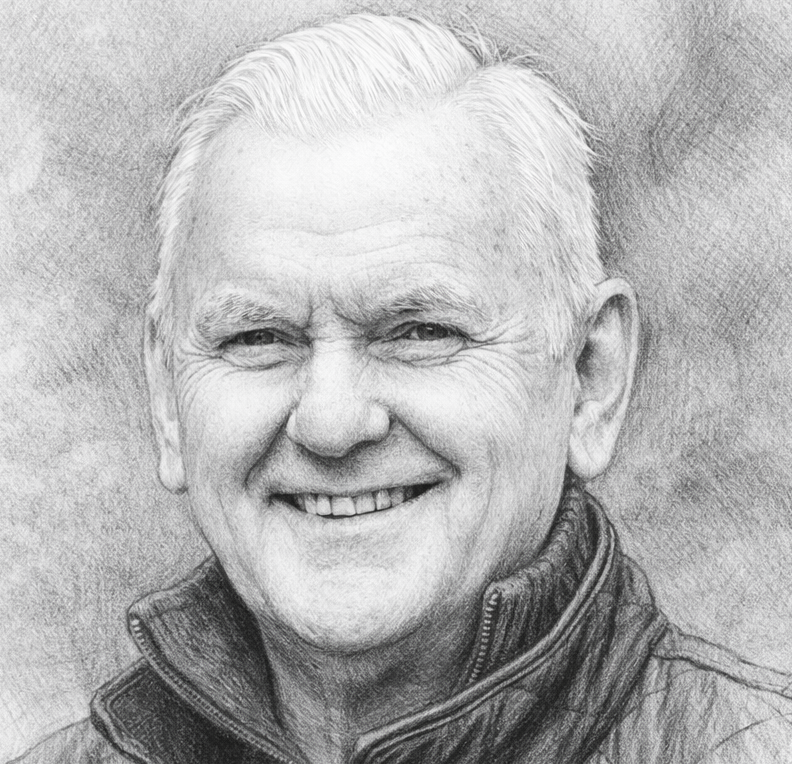
Perhaps the greatest emotional problems from a blood cancer diagnosis arise from uncertainty. Often that uncertainty can precede a diagnosis, for months and sometimes years, as the often strange symptoms of MDS begin to emerge . Out of uncertainty arise anxiety and fear. The disease itself may be problematic and difficult enough to deal with in the moment, but it is the lingering doubts and the worries that arise from the disease, not just for the diseased but for all those who care and support them, that probably create the greatest suffering.
“We are such stuff as dreams are made on, and our little life is rounded with a sleep”, wrote Shakespeare. Prospero, in The Tempest, recognises that everything is impermanent, even the very land that we walk on, even the sea. Yet we grasp on to the certainties in life, and wish life were more predictable and pleasant.
It is natural to worry. Our minds want to secure our safety. We are wired to survive, and anything that threatens our survival will trigger us into finding some solace, some refuge, some place of peace, to fight whatever foe is threatening us. In our quiet moments our thoughts turn to solving even the most impossible problems.
Meanwhile, life goes on. There may be work, there will be chores, there remain responsibilities and friendships, there is a need to continue with life, even in the face of uncertainty and a challenging diagnosis. The question arises of how we can continue and enjoy life in the presence of a serious health condition.
I remember very well the ten days in hospital after a nosebleed that led ultimately to my MDS diagnosis. I was admitted to Ear Nose and Throat, but my blood counts were ridiculously low, so I needed transfusions and platelets before they could cauterise my nose. Then I was transferred to haematology for further investigations, which seemed to involve frequent blood samples, scans, and two bone marrow biopsies. I had been reasonably fit, I thought, up to that point. Strangely, it did not induce any sense of panic, just a sense of bewilderment. I had switched in the space of a fortnight from a seemingly healthy individual to someone who struggled to walk around the block. The clinicians seemed almost as puzzled as I was.
Something that has helped me to work with all this has been a deep curiosity, not just into my condition but also into the new world that I found myself in. I knew nothing of haematology, and indeed had only had one previous short stay in hospital following a broken arm. Suddenly I was thrown into a world of blood samples, transfusions, chromosomes and strange terminology. I am by nature a problem solver, and I set about trying to understand all I could. The advice is to beware of googling your condition, so research your disease with care. Haematology is a complex field, it can be frightening, but I want to understand as much as I can.
I also enjoy meeting people, and suddenly I was in the hands of a large team of nurses, doctors and administrators. It was a new world, a little frightening at first, but it soon became commonplace for me. Once out of my initial ten day hospital stay I was soon into a routine that involved at least three contacts with a clinician each week. I was having weekly infusions of platelets, and eventually weekly transfusions of red blood cells. Here was the most amazing group of carers I have met, and I wanted to know more about what they did.
Then there was my family and friends. Suddenly I was vulnerable and needed to be protected from infection. On the other hand, I wanted to get on with life as much as I could. I was retired, but I had a few volunteer commitments. I do most of the cooking, and I like to do the shopping, so a switch to online shopping made sense. I can see how easy it might be to sit and brood, but keeping sensibly busy was important. Cooking is great therapy.
I kept up a daily walk, aiming to do at least two miles. As time went by, that got harder and harder, but I just slowed down. The days after a red cell transfusion were usually easier, but then energy faded over the next few days. I remember one day I got to the end of the street and thought I should turn back, but the stubborn streak in me kept me going. We are blessed with some very pleasant walks near to our home, and so I could get out most days. I struggled with anything but the mildest slope, but I could get nearly everywhere if only at a sloth-like pace. Being outside and connecting with nature can be very healing. I had one route that involved coffee and cake half way round – I can recommend cake therapy if you don’t overdose.
I never got into the numbers game. I know enough about statistics to realise that it was important to focus on my wellbeing rather than worry about life expectancy. I read enough to know the statistics, but I only bothered about them when there was a decision to be made, such as whether to go ahead with a stem cell transplant, and even then it was not numbers that drove the decision. I did not want to live life as if watching the numbers go down on a ticking time bomb.
We had to give up our regular social dancing, but it had the side effect of us meeting some of our friends outside and getting to know them better. I kept in touch with a number of people online. Social life did not end, it just changed. My energy was dwindling, so even if it was not an infection risk dancing would have been hard, if not impossible. Going to the gym was also too great a risk.
The stem cell transplant was very tough. I knew fully what was going to happen, but the experience could not really be anticipated. I had some serious complications. I somehow stayed focussed on the support around me, and engaged as much with people as I could. I had a very tough period in the middle, and was (I understand) very grumpy and tetchy. The staff there were amazing, not just great clinicians but great human beings. It was only five weeks (five very long weeks) before I could sloth-like walk out of the hospital.
The next three months were hard, but I started to walk again, soon up to my slow two miles. I returned to cooking. I could see people again, but I needed to be very careful not to get an infection. I was tired, and slept a lot. There were some alarming moments, and I could only walk around in slippers and a loose pair of sandals as my feet and ankles were very swollen. Steadily though I increased my activity.
As a mindfulness teacher I know the importance of staying in the present moment as much as possible. That isn’t easy, and I did have some dark moments. You don’t need to meditate to be mindful, just find ways out of your brooding. Cooking, friendships, family, walking, work, they are all ways of interrupting the cycle that leads to anxiety. It may take determination and effort, but engaging with life as much as possible will ease any brooding. Slow down where you can, but don’t stop.
We are all different, and how we cope with challenges is also different. My only recommendation is to stay as engaged with life as is possible. Keep moving, keep active, keep up with friendships. Take great care, but don’t withdraw from things you don’t need to.
As I have said many times, I could not have done this alone. My wife, my family, my friends and the clinical teams have kept me alive and positive. For my part, it was important to stay present and as fully engaged with life as I could. “Oh, Brave New World that has such people in it,” cried Miranda in youthful enthusiasm at seeing the new visitors to Prospero’s island. For any of us affected by MDS, or any such diagnosis, it is a brave new world.